My Favorite Products of 2025


I'm taking a break this week from my takeaways from the Reforge AI Strategy course to do my EOY breakdown of products I've loved. Every year I find myself quietly building a "favorites list" in my head—the products that actually changed how I live, work, and think. None of this is sponsored, just things I kept reaching for over and over throughout 2025.
This year saw me stepping into a product leadership role, taking on new challenges, and leaning hard into AI tooling in how I work, think, learn, and grow. The tools on this list reflect that shift. They're the ones that helped me navigate bigger decisions, capture fleeting ideas before they disappeared, and stay grounded when things got chaotic.
Here's what made the cut, how I used them, and why they stuck.
For thinking, organizing, and getting things done
Notion
If my brain had a control center, it would live in Notion. I use it for everything.
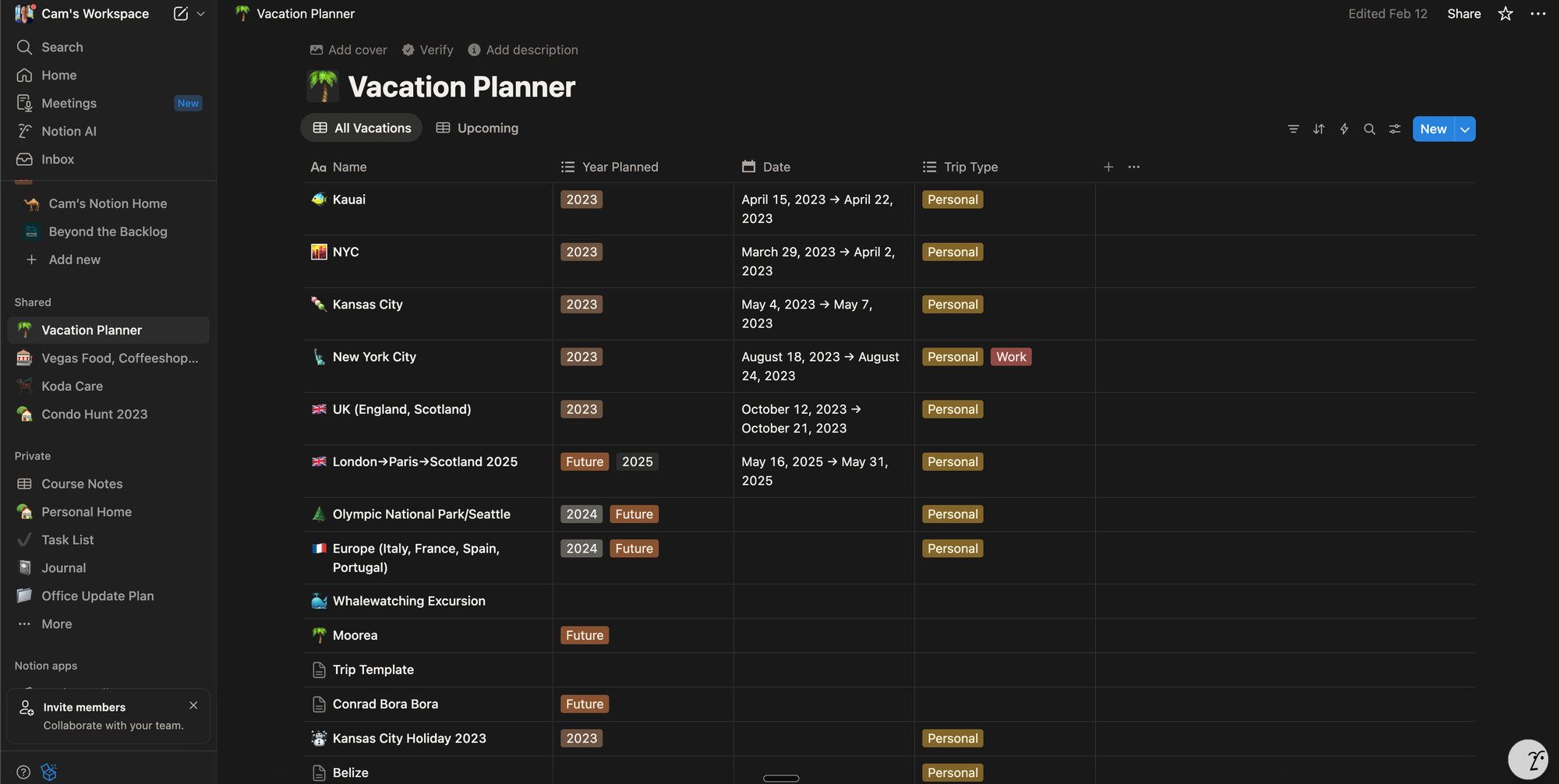
Why I like it: Notion is flexible enough for messy capture but structured enough to build real systems and share them easily with my friends and family. Databases make it easy to connect work, life, and content in one place—and it works well as a "home base" for projects both personal and professional.
How I used it this year: I used Notion in too many ways to count, but I'll select some as examples. I roadmapped product work and kept work organized across my teams. I used it with my husband to plan a trip to England, Paris, and Scotland with my in-laws. Most of my Beyond the Backlog posts start as messy outlines in Notion before they become anything coherent. I use it to organize house projects with my husband.
ChatGPT
This one won't surprise anyone. ChatGPT has become a daily collaborator and thinking partner—but this year, it became something more: my AI coach.
Why I like it: It helps me pressure-test product ideas and strategy narratives before I bring them to my team. It's great for turning fuzzy thoughts into structured outlines and artifacts. And it makes it easier to explore new domains without a huge upfront investment of time.
How I used it this year: I synthesized lots of Plaud (see below) notes using chatGPT to get an overview of discovery sessions. I leveraged search to find relevant information across our business. I turned messy notes into clear writeups and stakeholder summaries.
As I stepped into bigger leadership moments this year—new team dynamics, harder conversations, higher-stakes decisions—I started using ChatGPT to prepare. I'd describe a situation, ask it to role-play a tough conversation, or have it challenge my thinking on a decision I was wrestling with. It's not a replacement for human mentorship, but it's an always-available sparring partner that helped me show up more prepared when it mattered. For someone who loves to think out loud, this has been a game changer!
Cursor and Claude Code
I'm not a full-time engineer, but I used to be! I've found a lot of joy in creating side projects over the last year. When I'm coding, I'm using:
- Cursor: My AI-first code editor that bridges the gap between "I conceptually know what I want" and "there's working code" while helping me maintain context across coding sessions.
- Claude Code: My coding copilot for reasoning-heavy changes, refactors, and explanations.
Why I like them: These tools lower the friction of jumping into code after a long PM day. They keep me in flow by answering "how do I do X again" without context switching. And they make it realistic for me to own small tools and projects end-to-end—something I find deeply satisfying.
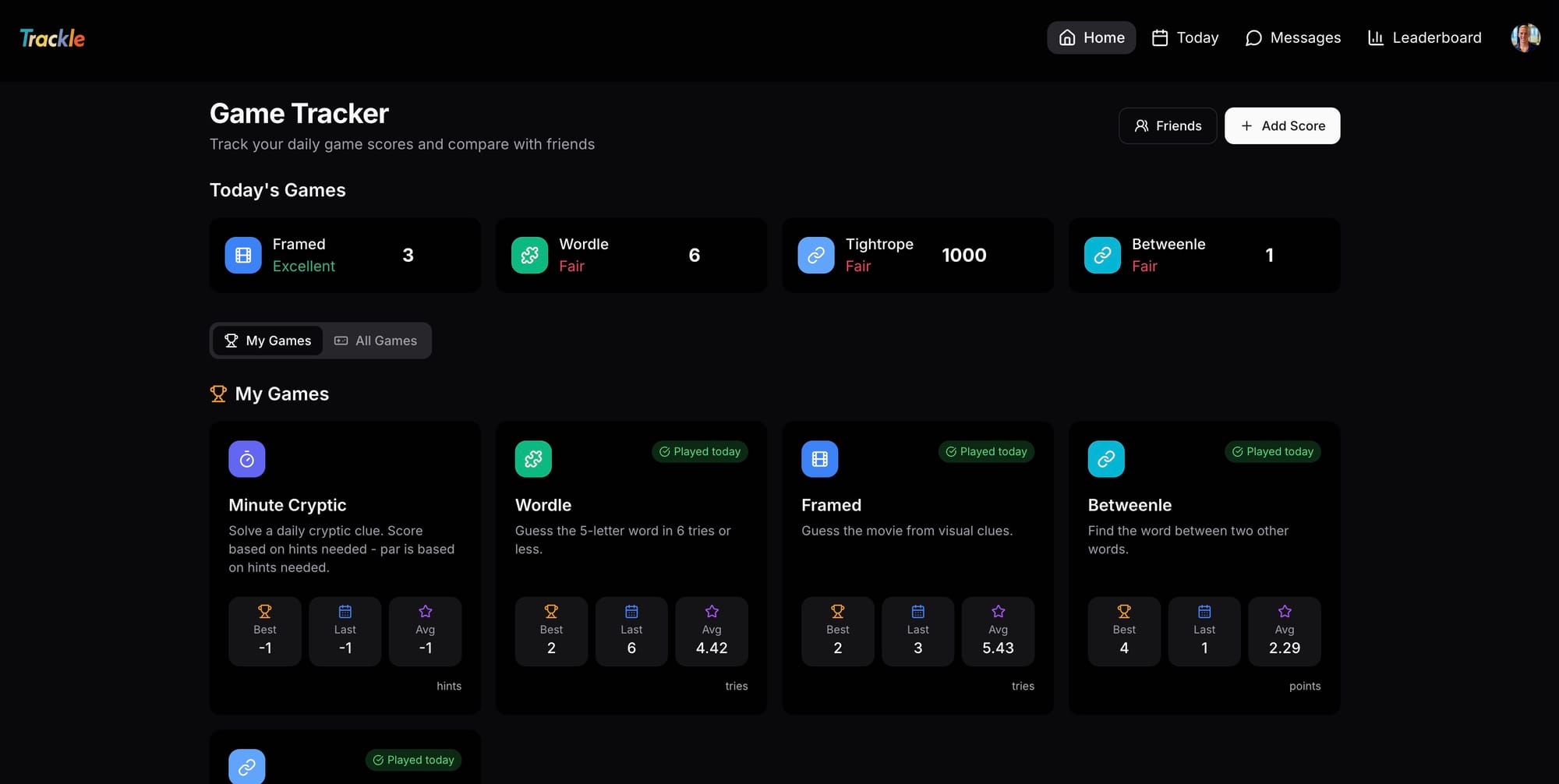
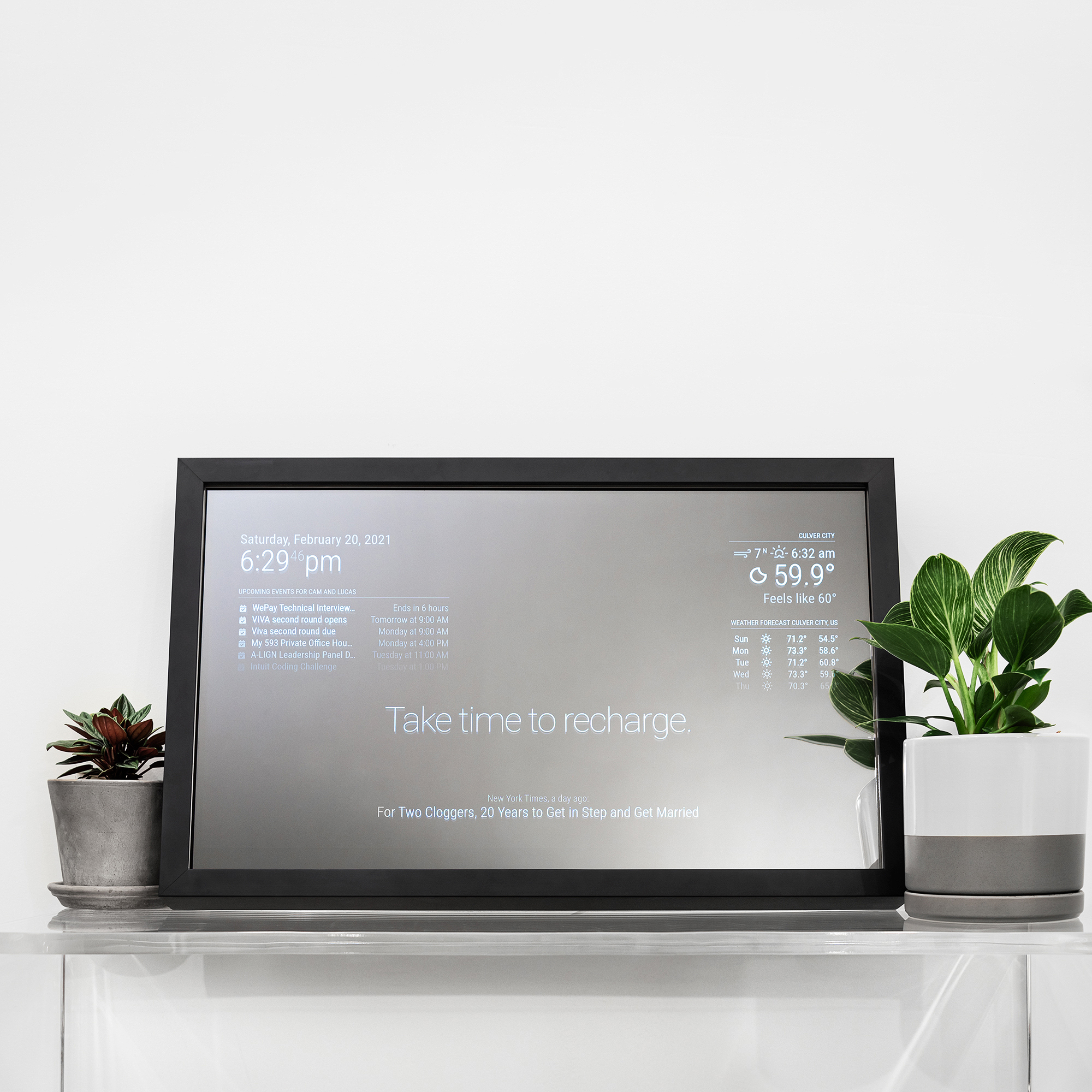
How I used them this year: I built an app for my parents, Trackle, that allows them to track their daily game scores! It's free and available to all, so sign up if you're interested! I've built a few tools for myself and maintained my magic mirror project from a few years back.
Wispr
Effortless voice dictation that works exactly like you want it to!
Why I like it: Wispr is what I wish all voice dictation was. It works simply, integrates seamlessly on both desktop and mobile, and makes it easy to use dictation instead of typing when you don't want to type anymore. It removes the "ums" and "uhs" and creates formatting where it makes sense (bullets and such).
How I used it this year: When writing annual reviews this year, I dictated to Wispr to make it an easier task to complete. I use it to write long Slack messages, to write chunks of text so I can talk out loud about what I want to do rather than typing it, and I used it to write this paragraph! It has dramatically sped up my workflow. I started with a free trial and it's now a permanent part of my workflow.
Plaud
The Plaud Note recording device changed the way I work this year.
Why I like it: As a verbal processor, this tool has been a game-changer. The Plaud Note is a little credit card sized recording device that attaches to the back of your phone. You can use it to record audio of any kind and then run an AI model over the transcript to organize it into an output. These outputs can be fully customized as well, meaning the sky is really the limit.
How I used it this year: This year, I did several onsite discovery sessions with users—the kind where you're deep in conversation, learning fast, and trying to absorb everything. Having Plaud running meant I could be fully present instead of frantically taking notes. Afterward, I turned those recordings into structured notes and action lists that my team could actually use.
I also use the Plaud to capture ideas when I'm walking the dog in the morning. I frequently dictate to it about an idea for a Beyond the Backlog post, a feature at work, a product vision, or any other random thought I'm having and then have it bring order to those thoughts afterward. It's an extremely useful tool and I'm so glad I found it this year!
For learning and entertainment
Audible
Audible is my default way to "read" when my brain is too tired to stare at text.
Why I like it: It turns commutes, walks, and chores into learning time. Without Audible, I'd have much less time to read and learn. I also love the clips feature that allows me to save a small snippet of text.
How I used it this year: Listened to a whole myriad of books! A few of my favorites were:
- A Short History of Russia by Mark Galeotti
- Empire of AI: Dreams and Nightmares in Sam Altman's OpenAI by Karen Hao
- No Rules Rules: Netflix and the Culture of Reinvention by Reed Hastings
Podcasts
Podcasts are where I go for "thinking in public" content from builders, founders, and operators.
Why I like them: They're great for lightweight exposure to new ideas and frameworks and stay up-to-date with the goings on in the world. They're also the perfect companion to walks and workouts.
How I used them this year: I listened to a wide array of podcasts to learn new things, stay informed, and laugh. Here are a few of my recommendations from this year:
- Lenny's Podcast
- Product management and tech-focused podcast.
- Hard Fork
- Tech podcast that could easily be classified as equal parts comedy. It makes me laugh and I learn a lot!
- Cautionary Tales with Tim Harford
- Tim picks a story from history where something went wrong with catastrophic consequences and goes deep to understand what happened and what we can learn from it.
Reforge
Reforge was a major part of my professional learning stack this year—especially the AI Strategy and Product Leadership courses.
Why I like it: It forces me to slow down and think structurally about product, leadership, and AI. It gives me language and frameworks I can immediately use with my team. And it anchors my thinking to concrete case studies instead of vague vibes.
How I used it this year: I reframed our AI roadmap using concepts like PMF collapse and AI feature maps. I pressure-tested my own instincts against the course content and got a great toolkit to use as a product leader. I turned course concepts into shared decisionmaking frameworks for our broader product teams.
For moving my body
Tonal
Tonal made strength training at home realistic and convenient.
Why I like it: Smart weight adjustments meet me where I am each day. Clear programs remove decision fatigue. And the data and progression tracking scratches the "metrics" part of my brain. I also love that it feels like having a personal trainer at home with its form correction features.
How I used it this year: I ran structured strength programs without having to plan workouts myself. I tracked strength over time and watched wins show up in the graphs.
Peloton Tread
The Peloton Tread is my chosen place to run, particularly in the hot Vegas summers.
Why I like it: Instructor energy makes runs feel more like a class than a chore. Programs and streaks keep me accountable. And it's easy to stack classes with strength or stretching. As a runner living in the desert, it's a must to have an indoor place to run during the hot months.
How I used it this year: Multiple runs a week to stay fit and keep a level head while listening to my favorite tunes, podcasts, or watching my favorite shows.
Oura Ring and Garmin Forerunner
These two devices live in the background but quietly shaped a lot of my choices.
- Oura Ring: My sleep and recovery dashboard.
- Garmin Forerunner: My fitness and activity tracker.
Why I like them: They turn vague feelings about energy, sleep, and training into data. They help me notice patterns between work stress, workouts, and recovery. And they give me gentle nudges when I'm overdoing it or under-moving.
How I used them this year: I adjusted workout intensity based on readiness and recovery scores. I spotted trends that correlated sleep quality (or lack thereof) with how I felt at work. And I used the data to justify rest days without guilt—something I'm still learning to do.
That's my list of "products I'd actually miss if they disappeared tomorrow" for 2025!
This year pushed me into new territory—more leadership, more AI, more figuring things out as I went. These tools didn't just make me more productive; they helped me grow into the version of myself the year demanded.
If you have a tool you're obsessed with that fits into any of these buckets, I'm always collecting ideas for next year's list and love trying out new things! Feel free to share it in the comments.


